The apiary

Built around colony balance

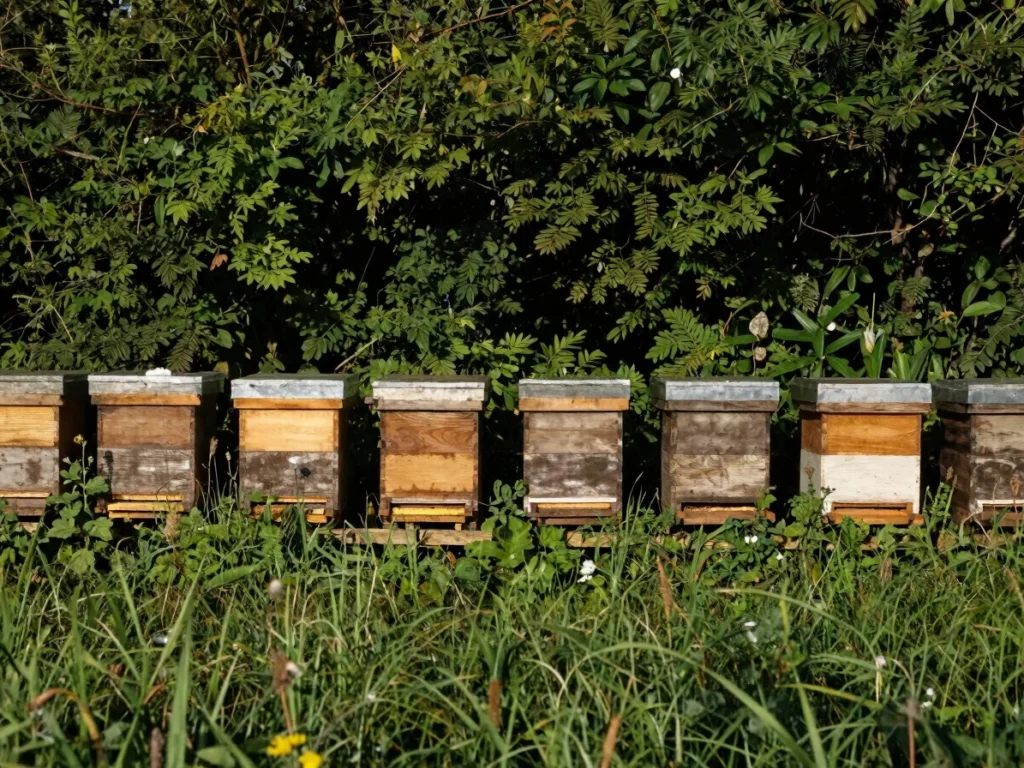
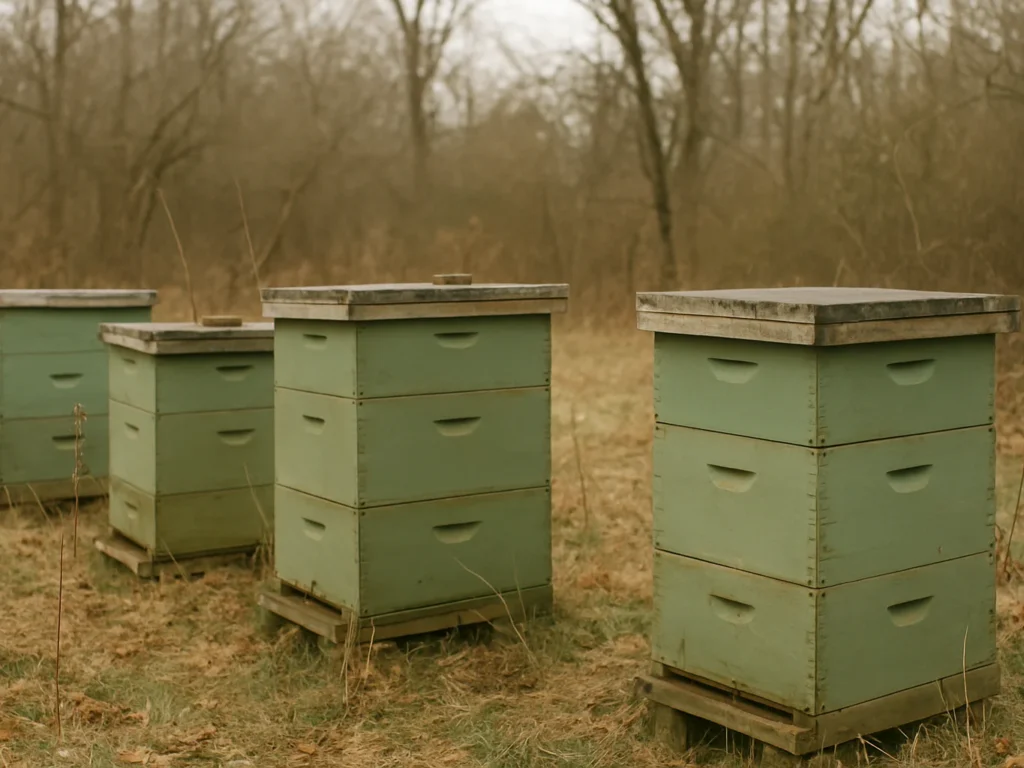
We keep honey bees in a quiet apiary, and the hives set the pace. The farm began with a simple aim: keep the colonies strong and let the honey follow from that care rather than from pushing for maximum yield.

Looking after them means paying attention to what is happening inside each box, season after season.

Through the year

A working year in the hives

Spring

Inspection and brood checks

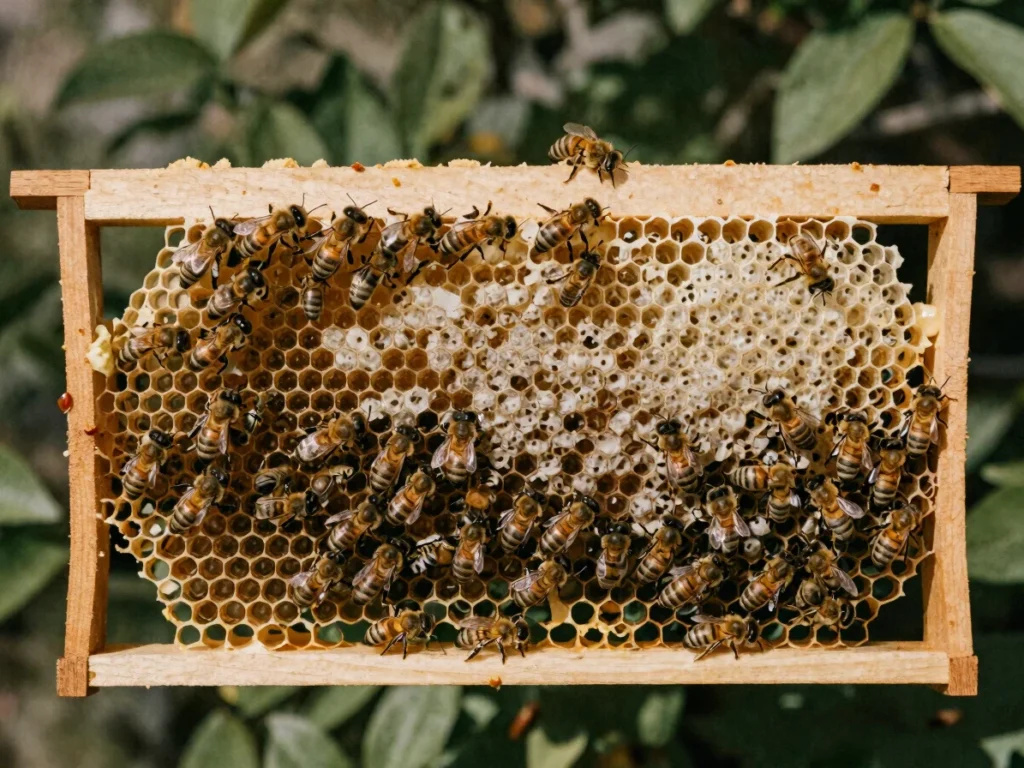
Early in the season we open each hive to check brood development, queen activity, and stores. The aim is to see how the colony is growing before the nectar flow begins.

Summer

Watching the nectar surge

As forage peaks, we watch how the colonies build comb and fill it. Frames are only taken when the colony has clearly spared what it has stored.

Winter

Preparing the hives for cold

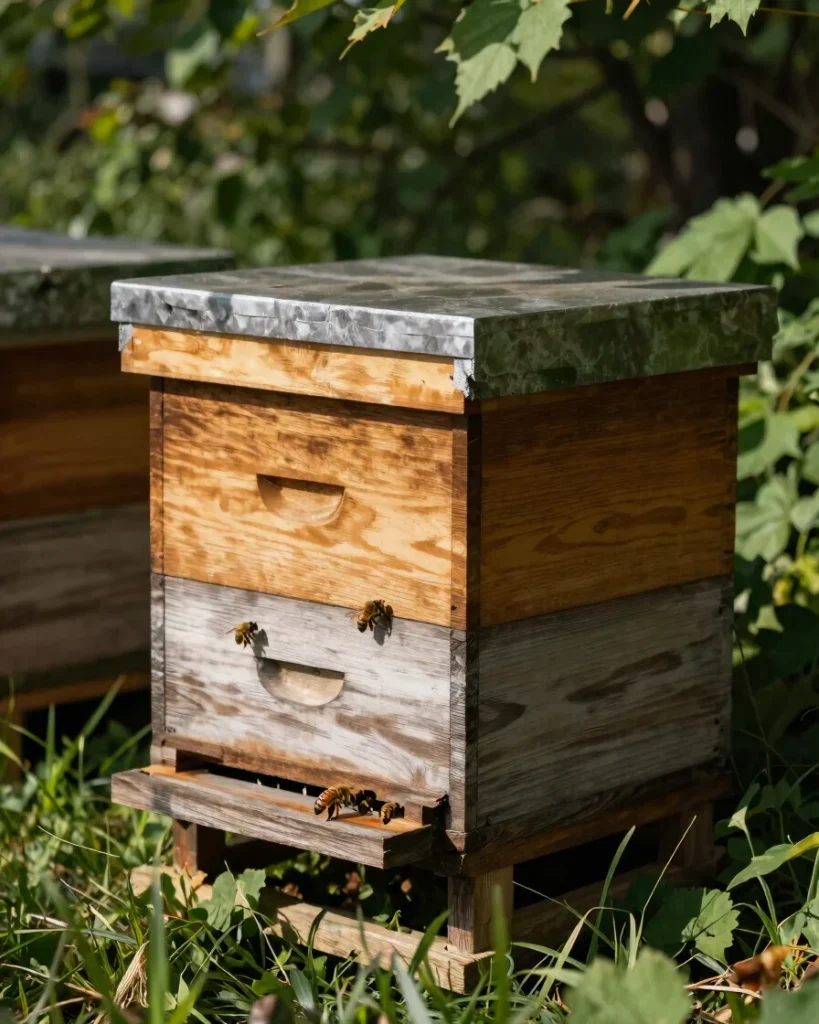
In the cooler months we reduce entrances and make sure each colony has enough stored honey to last until spring. Quiet observation replaces most handling.

Forage

What the colonies feed on

The hives sit among a canopy of mixed trees and a meadow of wildflowers. These quiet forage zones give the bees a varied source of nectar and pollen across the seasons, which supports steady colony growth.

The honey that comes from this forage reflects the seasons it was made in. We only harvest what the colonies can spare, so the bees keep enough for themselves through every change of weather.